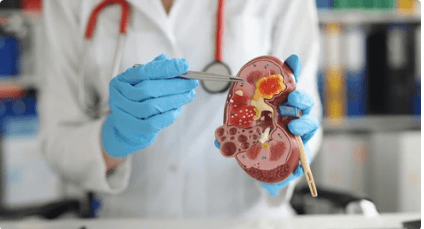
Kidney stone treatment is an essential aspect of modern healthcare, addressing a condition that affects millions of people across the globe. Kidney stones are hard deposits made of minerals and salts that form inside the kidneys, often causing severe pain and discomfort kidney stone treatment. The journey from diagnosis to recovery can be challenging, but with the right approach, effective kidney stone treatment can restore comfort and prevent future complications.
The formation of kidney stones is influenced by several factors, including dehydration, dietary habits, genetics, and underlying medical conditions. When the concentration of certain substances in the urine becomes too high, crystals begin to form and gradually develop into stones. These stones can vary in size, ranging from tiny particles that pass unnoticed to larger masses that may obstruct the urinary tract. Understanding the nature of these stones is the first step toward determining the most suitable kidney stone treatment.
One of the most common symptoms that leads individuals to seek kidney stone treatment is intense pain, often described as sharp and radiating from the back or side toward the lower abdomen. This pain may come in waves and can be accompanied by nausea, vomiting, or difficulty urinating. In some cases, blood may appear in the urine, signaling irritation within the urinary tract. These symptoms highlight the importance of timely medical attention, as early kidney stone treatment can prevent complications and reduce suffering.
Diagnosis plays a crucial role in shaping an effective kidney stone treatment plan. Healthcare providers typically rely on imaging tests such as ultrasound or CT scans to identify the size, location, and composition of the stones. Urine and blood tests may also be conducted to uncover underlying causes. This comprehensive evaluation ensures that the chosen kidney stone treatment is tailored to the individual’s specific condition, improving the chances of a successful outcome.
For smaller stones, kidney stone treatment often focuses on natural passage. Patients are usually advised to increase their fluid intake, which helps flush the stones out of the urinary system. Pain management is another important component, as passing a stone can be uncomfortable. Medications may be prescribed to relax the muscles of the urinary tract, making it easier for the stone to pass. This conservative approach is effective for many individuals and minimizes the need for invasive procedures.
When stones are too large to pass naturally or cause significant blockage, more advanced kidney stone treatment methods may be required. One widely used technique is shock wave therapy, which uses sound waves to break the stone into smaller fragments. These fragments can then pass more easily through the urinary tract. This method is non-invasive and has become a preferred option for many patients seeking efficient kidney stone treatment without surgery.
In some cases, minimally invasive procedures are necessary to remove stubborn stones. Techniques such as ureteroscopy involve inserting a thin instrument through the urinary tract to locate and extract the stone. Another option is percutaneous nephrolithotomy, which is used for larger stones and involves making a small incision in the back to access the kidney directly. These procedures have significantly improved the effectiveness of kidney stone treatment, offering relief to patients who might otherwise face prolonged discomfort.
Prevention is a key component of long-term kidney stone treatment. Once a person has experienced kidney stones, the likelihood of recurrence can be high without proper lifestyle adjustments. Staying well-hydrated is one of the most effective preventive measures, as it dilutes the substances in urine that lead to stone formation. Dietary modifications, such as reducing salt intake and balancing calcium consumption, also play a crucial role in preventing future stones.
Nutrition is closely linked to kidney health, and a thoughtful approach to diet can greatly enhance kidney stone treatment outcomes. Foods rich in oxalates, such as spinach and nuts, may need to be consumed in moderation for individuals prone to certain types of stones. At the same time, maintaining a balanced intake of essential nutrients supports overall well-being. Consulting with a healthcare professional or nutritionist can provide valuable guidance tailored to individual needs.
Lifestyle changes extend beyond diet and hydration. Regular physical activity contributes to better overall health and can indirectly support kidney stone treatment by promoting proper metabolic function. Avoiding excessive consumption of sugary drinks and processed foods further reduces the risk of stone formation. These habits not only aid in recovery but also create a foundation for lasting health.
Emotional well-being is another important aspect of kidney stone treatment. The pain and disruption caused by kidney stones can be stressful, affecting both physical and mental health. Support from healthcare providers, family, and friends can make a significant difference during the recovery process. Education about the condition also empowers patients, helping them feel more in control and confident in managing their health.
Advancements in medical technology continue to enhance the effectiveness of kidney stone treatment. Innovations in imaging, surgical techniques, and preventive care have made it possible to address kidney stones with greater precision and less discomfort. These developments reflect a broader commitment to improving patient outcomes and ensuring that treatment is both accessible and efficient.
The role of healthcare providers in kidney stone treatment cannot be overstated. From initial diagnosis to follow-up care, their expertise guides patients through every stage of the process. Clear communication and personalized care plans ensure that individuals receive the support they need to recover fully. This collaborative approach fosters trust and encourages patients to take an active role in their treatment journey.
Kidney stone treatment is not just about addressing an immediate problem; it is about promoting long-term health and preventing recurrence. By combining medical intervention with lifestyle changes, individuals can achieve lasting relief and reduce the likelihood of future episodes. Awareness and education play a crucial role in this process, helping people recognize symptoms early and seek appropriate care.
In conclusion, kidney stone treatment encompasses a wide range of strategies designed to relieve pain, remove stones, and prevent future occurrences. Through a combination of medical expertise, advanced technology, and proactive lifestyle choices, individuals can overcome this challenging condition and maintain a healthy urinary system. The path to recovery may require patience and commitment, but with the right approach, lasting relief is well within reach.